
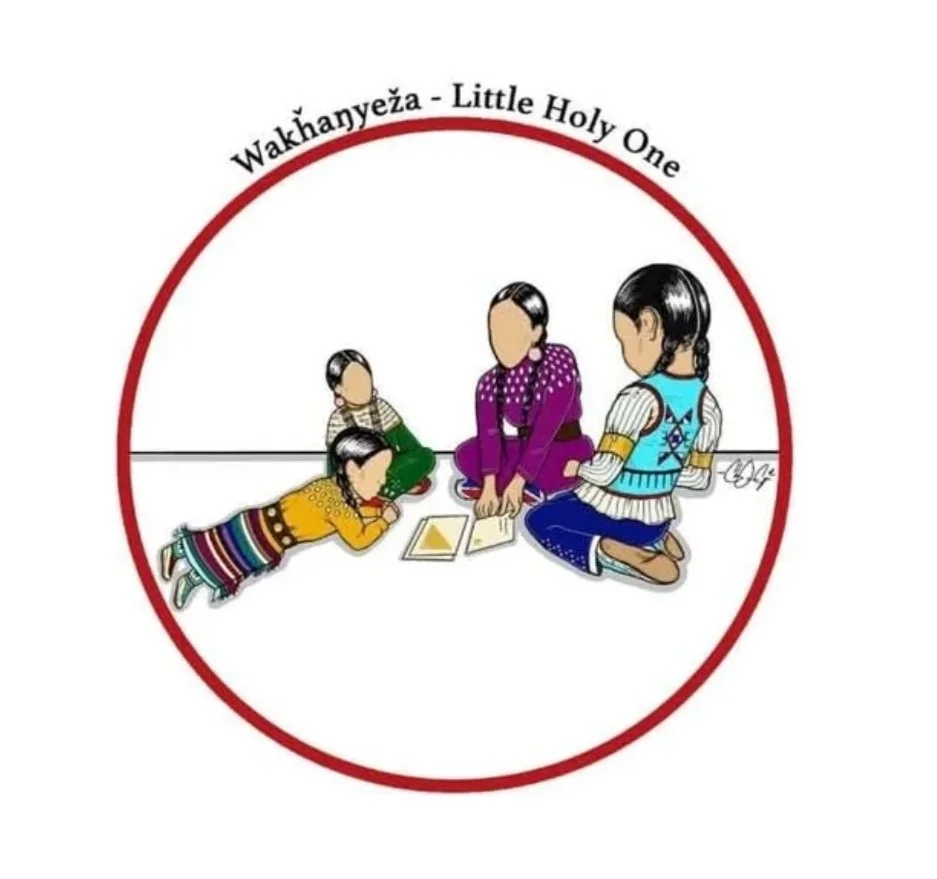
Wakháŋyeža (Little Holy One) is a culturally grounded, community-driven initiative that strengthens Native families by combining Indigenous knowledge with evidence-based parenting practices to promote healing, resilience, and child well-being. Through collaborative research and Tribal partnerships, the project evaluates how culture-based interventions can improve outcomes for Native American parents and children while supporting healthier future generations.
Wakȟáŋyeža
(Little Holy One)
-
Wakháŋyeža ("Little Holy One") is a culturally grounded, intergenerational wellness initiative designed to strengthen Native families by supporting positive parenting, cultural identity, and child well-being. Developed in partnership with Fort Peck Assiniboine and Sioux communities, the project combines Indigenous knowledge with evidence-based practices to promote healing across generations.
-
The project addresses the lasting effects of historical trauma, adverse childhood experiences, and family stress by strengthening parent-child relationships and increasing protective factors for Native families. Through culturally responsive prevention strategies, the initiative seeks to improve the health and well-being of both caregivers and young children.
-
Families participate in culturally informed lessons delivered by Indigenous community health workers. The intervention integrates traditional teachings, cultural practices, and evidence-based parenting approaches to ensure the program reflects the values, strengths, and lived experiences of Tribal communities.
-
The Wakháŋyeža project is a collaborative research partnership evaluating how culture-based interventions can improve outcomes for Native American parents and children. Through rigorous research and strong community partnerships, the project contributes to advancing Indigenous-led solutions that strengthen families and support future generations.